


P100 Field Training Exercise at Porubne Border Crossing Point Strengthens Ukraine’s Preparedness for Biological Threats at the Border
27/2513 Aug 2026
Porubne, Ukraine – 13 August 2026
As part of the European Union CBRN Centres of Excellence Project P100, Ukrainian frontline and supporting authorities conducted a Field Training Exercise at the Porubne Border Crossing Point on the Ukraine–Romania border on 13 August 2026.
The exercise formed part of the P100 Cross-Border Field Training Exercise program aimed at strengthening frontline biosafety and biosecurity capacities at points of entry across South East and Eastern Europe. A preparatory drill was conducted on 12 August, followed by the live field exercise on 13 August.
The Porubne exercise brought together representatives of the State Border Guard Service of Ukraine, the State Customs Service, the Center for Disease Control, Emergency Medical Care and Disaster Medicine Service, Public Health Center, State Service of Ukraine on Food Safety and Consumer Protection at the State Border, veterinary authorities, and specialized response personnel to test their coordinated response to a suspected biological and zoonotic public-health event at a functioning international border crossing point.
The exercise scenario involved a traveler whose health deteriorated during Customs procedures, combined with the presence of a live pet rat with potential epidemiological relevance. The simulated event was designed to test the ability of frontline personnel to recognize a potentially serious biological threat, apply immediate protective measures, activate notification procedures and coordinate the involvement of specialized public-health, medical and veterinary services.
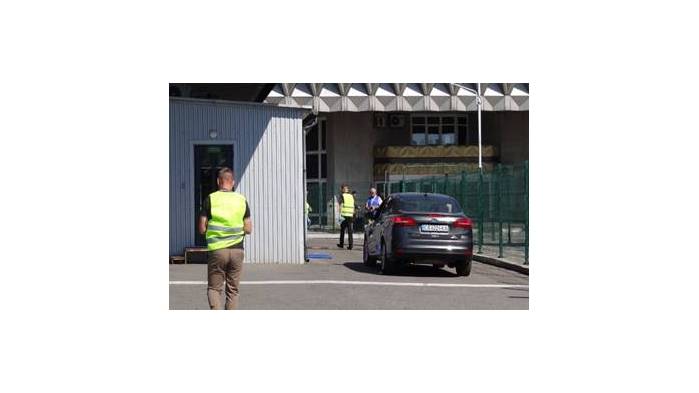
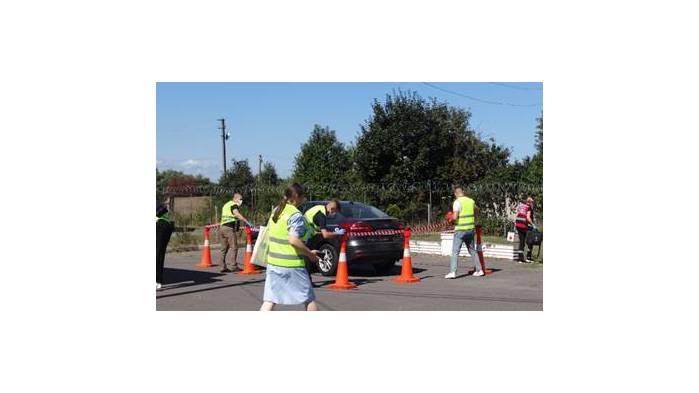
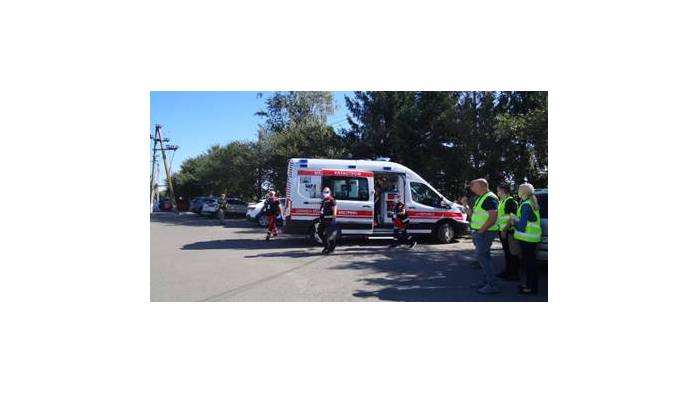
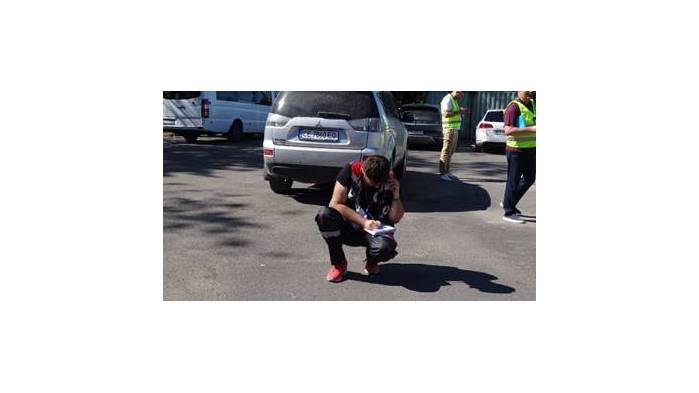
During the exercise, the participating authorities moved from routine border processing to a coordinated multisectoral response. Following recognition of the traveler’s deteriorating condition, supervisory and notification procedures were activated, personal protective measures were introduced, and the vehicle was moved away from the normal passenger flow into a controlled area.
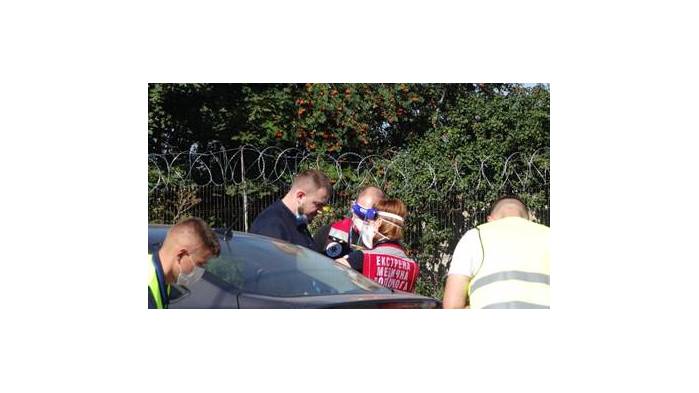
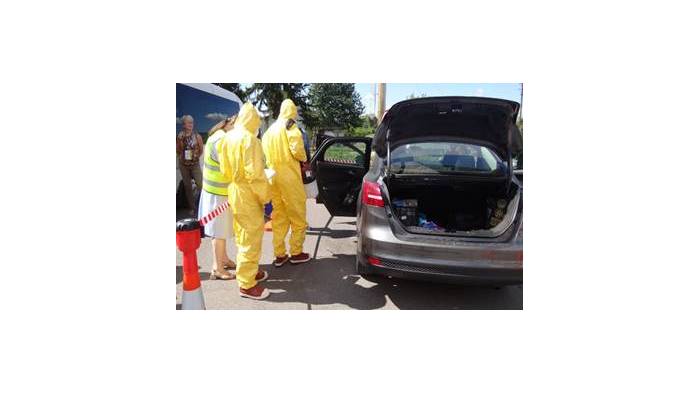
Emergency medical personnel assessed and evacuated the symptomatic traveler, while public-health specialists conducted an epidemiological assessment of the remaining traveler and collected relevant exposure information. In parallel, veterinary authorities addressed the management of the live animal and its accompanying documentation, while specialized personnel subsequently conducted decontamination of the vehicle, potentially contaminated items and affected operational areas.
An important objective of the exercise was to assess how these activities could be conducted while maintaining the essential functions of the border crossing point. The field exercise therefore tested not only the response of individual institutions, but also their ability to exchange information, coordinate decisions and operate simultaneously under realistic border-crossing conditions.
The exercise demonstrated the operational capabilities available within the participating Ukrainian authorities, including rapid frontline recognition and escalation, timely mobilization of emergency medical, public-health, veterinary and decontamination services, practical use of personal protective equipment and effective coordination between Border Guard and Customs personnel.
The exercise also provided an opportunity to examine Ukraine’s operational approach to incident coordination at Porubne BCP. Rather than relying exclusively on a fixed command location, the Border Guard and Customs shift commanders maintained situational awareness across the BCP and coordinated activities through established radio and telephone communication channels while specialized authorities continued to perform their respective statutory functions.
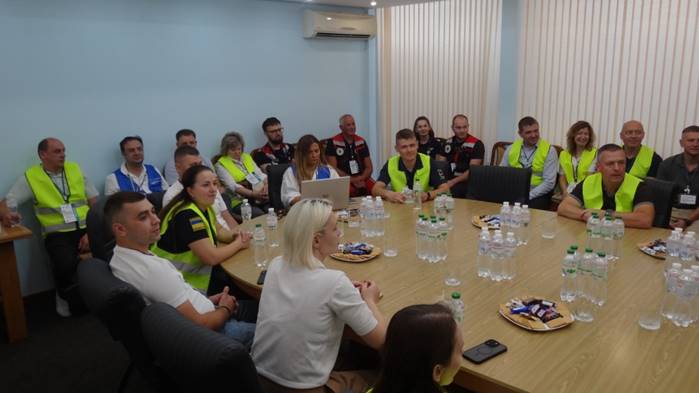
Immediately following the field component, participating institutions and P100 experts conducted a Hot Wash-Up to assess the response, identify effective practices and discuss areas that may benefit from further clarification or harmonization.
The discussion highlighted several areas for continued work, including the harmonization of interagency procedures related to frontline exposure, management of potentially exposed personnel, patient belongings and contaminated items, temporary management of animals of epidemiological significance, control and reopening of potentially contaminated operational areas, and documentation and information-sharing arrangements.
These observations will support the continued review and refinement of relevant national and interagency procedures and will inform future P100 capacity-building activities.
The Porubne FTX demonstrated the value of practical field exercises in bringing together institutions with different mandates and specialized capabilities. While individual authorities demonstrated strong operational capacity within their respective areas of responsibility, the exercise also provided an opportunity to identify where further standardization of the interfaces between institutions can strengthen the overall response system.
This approach reflects a central objective of Project P100 – Strengthening of Front-Line Biosafety and Biosecurity Measures in the South East and Eastern European Region: supporting participating countries in strengthening early detection, notification, coordinated response and mitigation of biological threats at points of entry through practical training, field exercises, operational guidance and continued improvement of Standard Operating Procedures.
Project P100 is implemented by the Science and Technology Center in Ukraine (STCU) under the European Union CBRN Centres of Excellence Initiative.
STCU, together with the EU, extends its appreciation to all participants, presenters, and organizers who contributed to the success of these events. Their engagement and expertise were vital in achieving the shared mission of a safer, more secure region. This initiative underscores the EU’s and STCU's dedication to strengthening BS&S measures in the SEEE region and fostering international collaboration to mitigate biological threats effectively.
 PRESS RELEASE
 PRESS RELEASE
 PRESS RELEASE
 PRESS RELEASE
 PRESS RELEASE
 PRESS RELEASE
 PRESS RELEASE